The properties of advanced materials emerge across very different length scales. Electronic interactions and atomic arrangements determine fundamental properties, while structures at the nano-, meso- and microscale influence how a material ultimately behaves at the macroscopic level. Connecting these scales is therefore essential for designing materials with targeted properties.
In their 2026 topical review “Materials informatics across the length scales”, Jamal Abdul Nasir and colleagues (includes PINK researchers Francesca Bleken and Jesper Friis (SINTEF) as well as Andrea Lorenzoni and Francesco Mercuri (CNR) examine how materials informatics and machine learning (ML) are increasingly supporting this connection – from atomistic simulations to mesoscale evolution, microstructural characterisation and continuum-level property prediction.
Machine learning across the materials landscape
The review shows that data-driven approaches already play quite different roles depending on the scale considered. At the atomic and nanoscale, ML can accelerate computationally demanding quantum-mechanical calculations and extend predictions to much larger chemical and structural spaces. At larger scales, techniques such as deep learning, graph neural networks and reinforcement learning help analyse microstructures, identify structure–property relationships and optimise processing conditions.
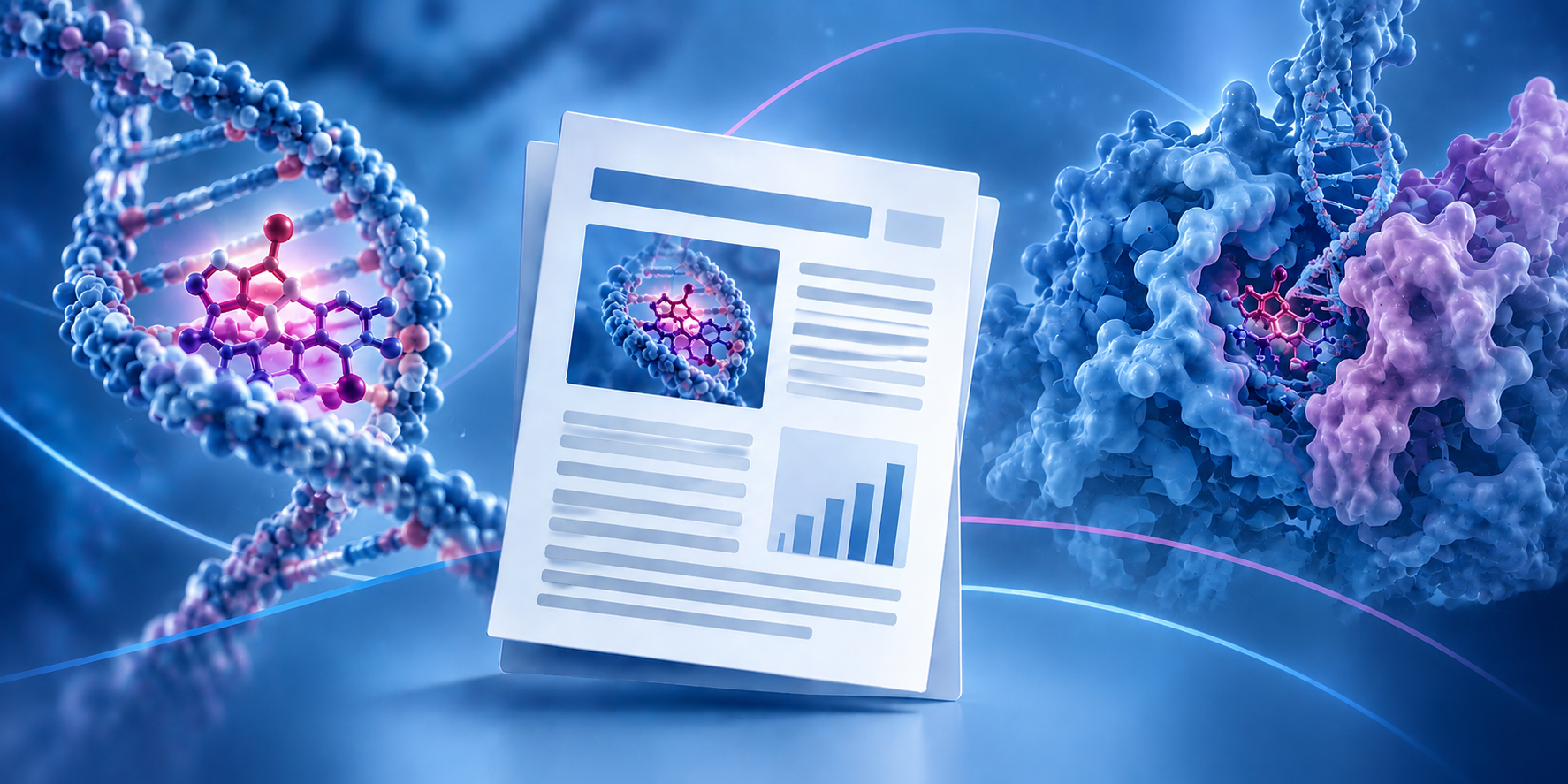
One example particularly close to PINK is the use of image-based representations of nanomaterials. The review discusses work by Forni et al., where convolutional neural networks use images of nanographene structures to predict electronic and physical properties—illustrating how alternative digital representations can make complex materials accessible to ML models.
Despite rapid progress, the authors identify an important limitation: most computational tools and models remain specialised for particular length or time scales. Moving from successful individual models towards coherent multiscale materials modelling therefore requires much greater interoperability.
The real challenge: connecting the scales
The review highlights several ingredients for achieving this: standardised data formats, shared feature representations, physics-informed ML, FAIR data infrastructures and tools capable of transferring information between scales. Large language models may also contribute by extracting structured knowledge from literature and helping connect otherwise fragmented modelling workflows.
“The future of materials informatics lies not just in better models or larger datasets, but in a unified, scale-aware, data-centric ecosystem.”
Importantly, the authors also caution that progress cannot be measured simply through increasingly sophisticated algorithms. Dataset bias, insufficiently representative benchmarks, reproducibility and validation remain fundamental issues when translating computational performance into useful materials predictions.
Why this matters for PINK
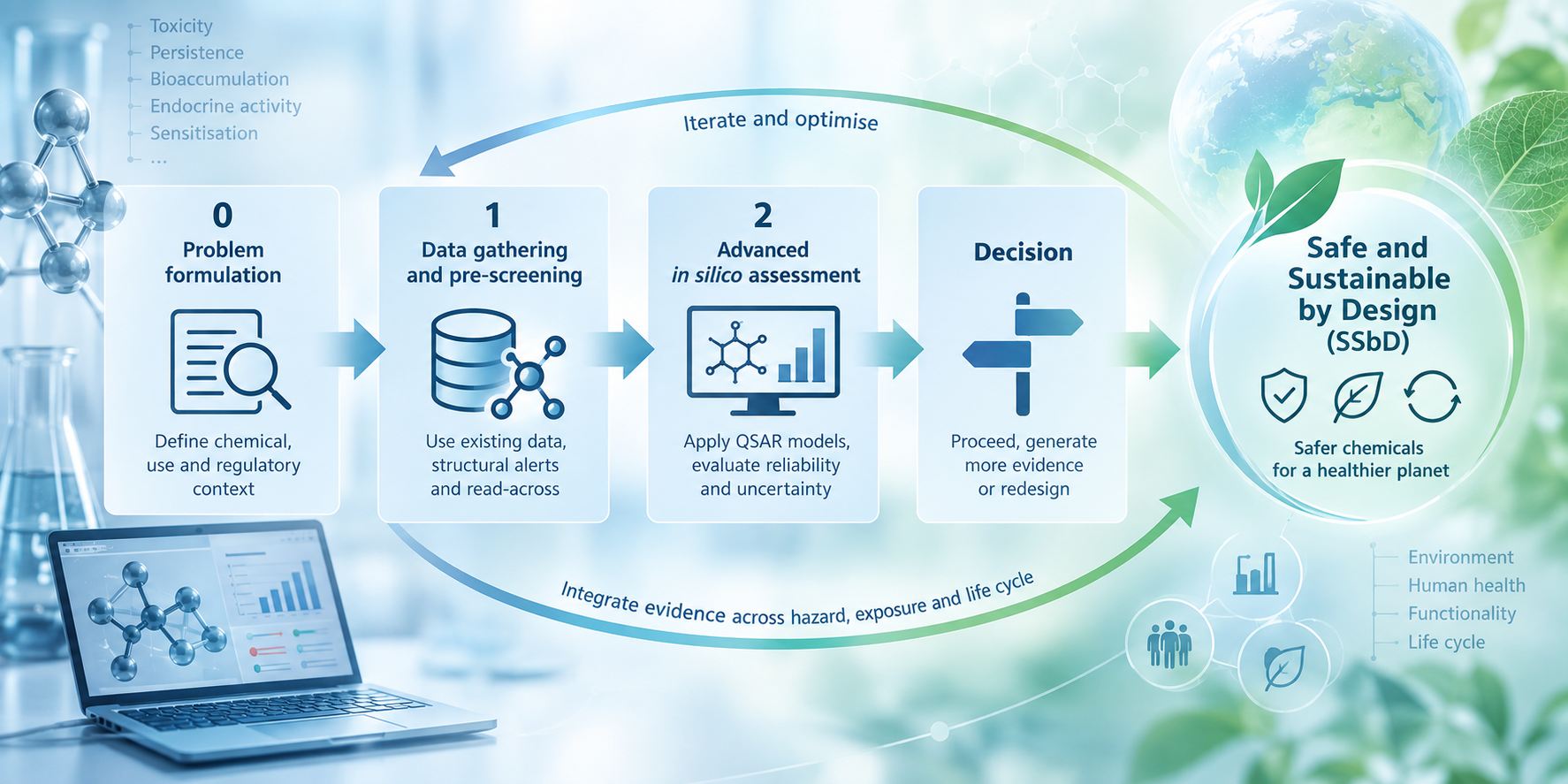
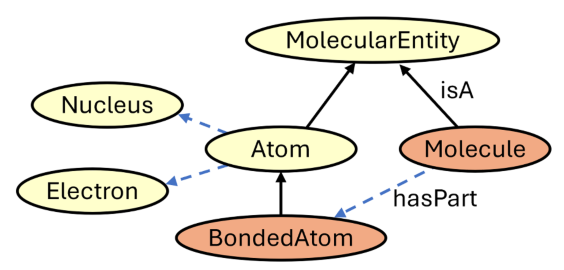
This cross-scale perspective connects directly with several scientific challenges addressed within PINK. Computational approaches for Safe and Sustainable by Design depend not only on predictive models, but also on the ability to combine heterogeneous materials information in interoperable and reusable forms.
The review’s call for FAIR data, shared representations and interoperable AI tools therefore complements PINK’s work on semantic materials descriptions, computational modelling and integrated approaches to advanced-materials assessment. Ultimately, these developments can help move materials informatics from isolated models towards connected workflows in which information generated at one scale becomes usable at another.
The review also emphasises that this transition is not solely a technical challenge. Community-driven infrastructures, benchmarking activities and a common language across disciplines will be needed to build genuinely integrated materials-informatics ecosystems.
Towards holistic materials design
The review points towards a future in which experimental data, simulations and AI are increasingly connected across scales rather than treated as separate sources of knowledge. Such integration could enable more efficient exploration of materials design spaces and ultimately support the development of high-performance and sustainable advanced materials.
The research was supported by the EU Horizon Europe PINK project (Grant Agreement No. 101137809) and if you are interested in reading the full publication follow this link.