The National Technical University of Athens (NTUA), founded in 1836, is Greece’s oldest and most prestigious technological university, with a long tradition of shaping the country’s scientific and economic development.
Within NTUA’s School of Chemical Engineering, the Unit of Process Control & Informatics (UPCI) advances AI-enabled modelling, process systems engineering, and informatics. The group brings extensive expertise in chemo-, bio-, nano-, and pharma-informatics, contributing cutting-edge computational approaches that support Safe and Sustainable by Design (SSbD) decision-making.
Research Excellence & Impact
UPCI has established itself as a leading research group in computational modelling, artificial intelligence, and systems engineering. Its core competences include:
- Mechanistic modelling (e.g., PBK/PBTK): quantitative description of chemical and material kinetics in biological systems.
- Advanced AI/ML methods: development of predictive and generative models, uncertainty quantification, and decision-support algorithms.
- Systems modelling, control, and optimisation: design of advanced control strategies, process optimisation, and digital twins for chemical, biological, and environmental processes.
- Cheminformatics and QSAR/QSPR modelling: building validated models for toxicity, hazard assessment, and material functionality.

UPCI is led by Professor Haralambos Sarimveis, with a team of post-doctoral researchers, PhD candidates and engineers experienced in mathematical modelling, process control and machine learning.
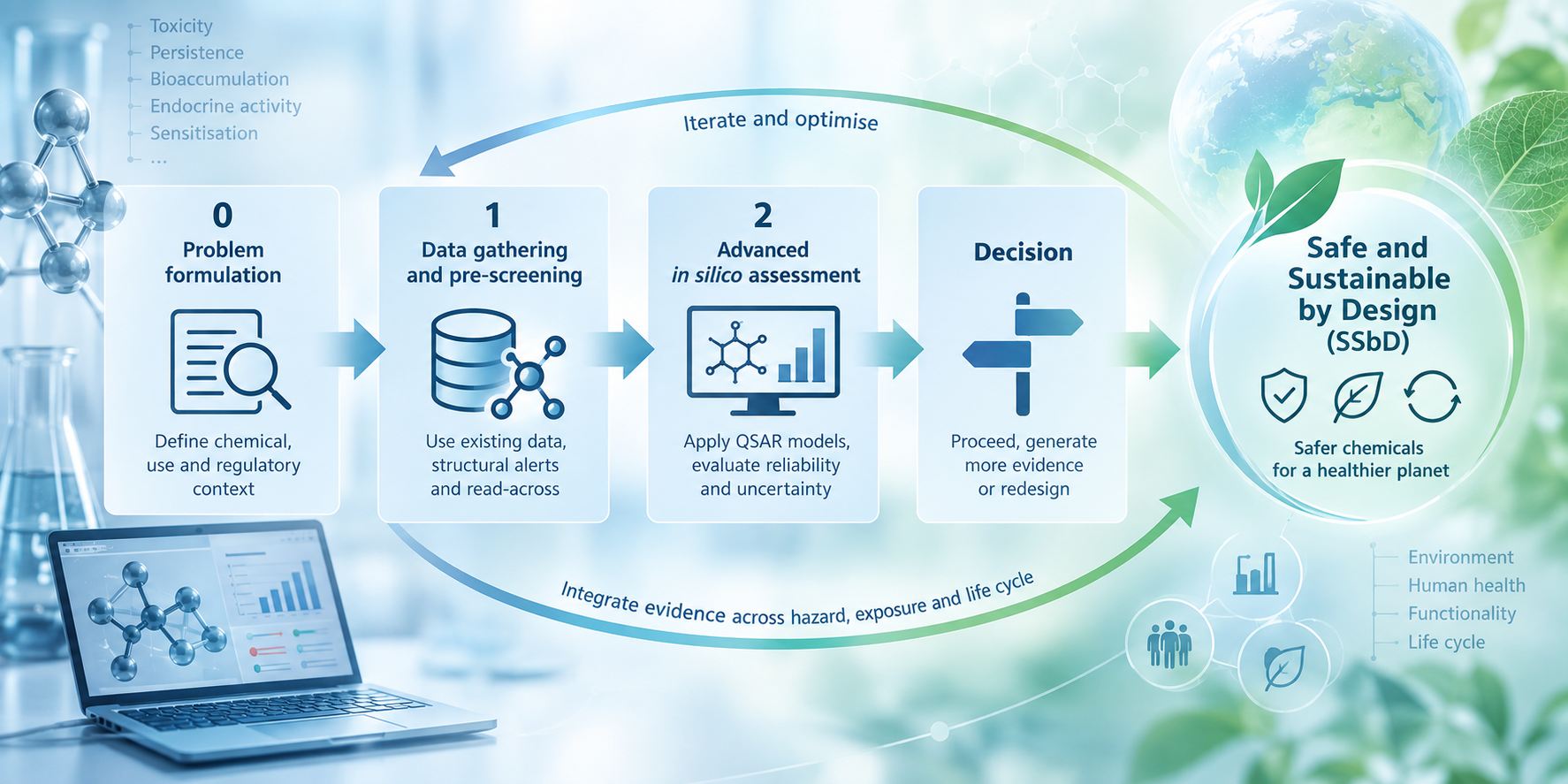
UPCI is the leader of Work Package 2 (WP2), dedicated to developing computational and AI-driven Safe and Sustainable by Design (SSbD) methodologies. The goal is to combine and integrate advanced modelling tools into decision-support frameworks that enable the early assessment of functionality, safety, and sustainability — well before costly experimental testing.
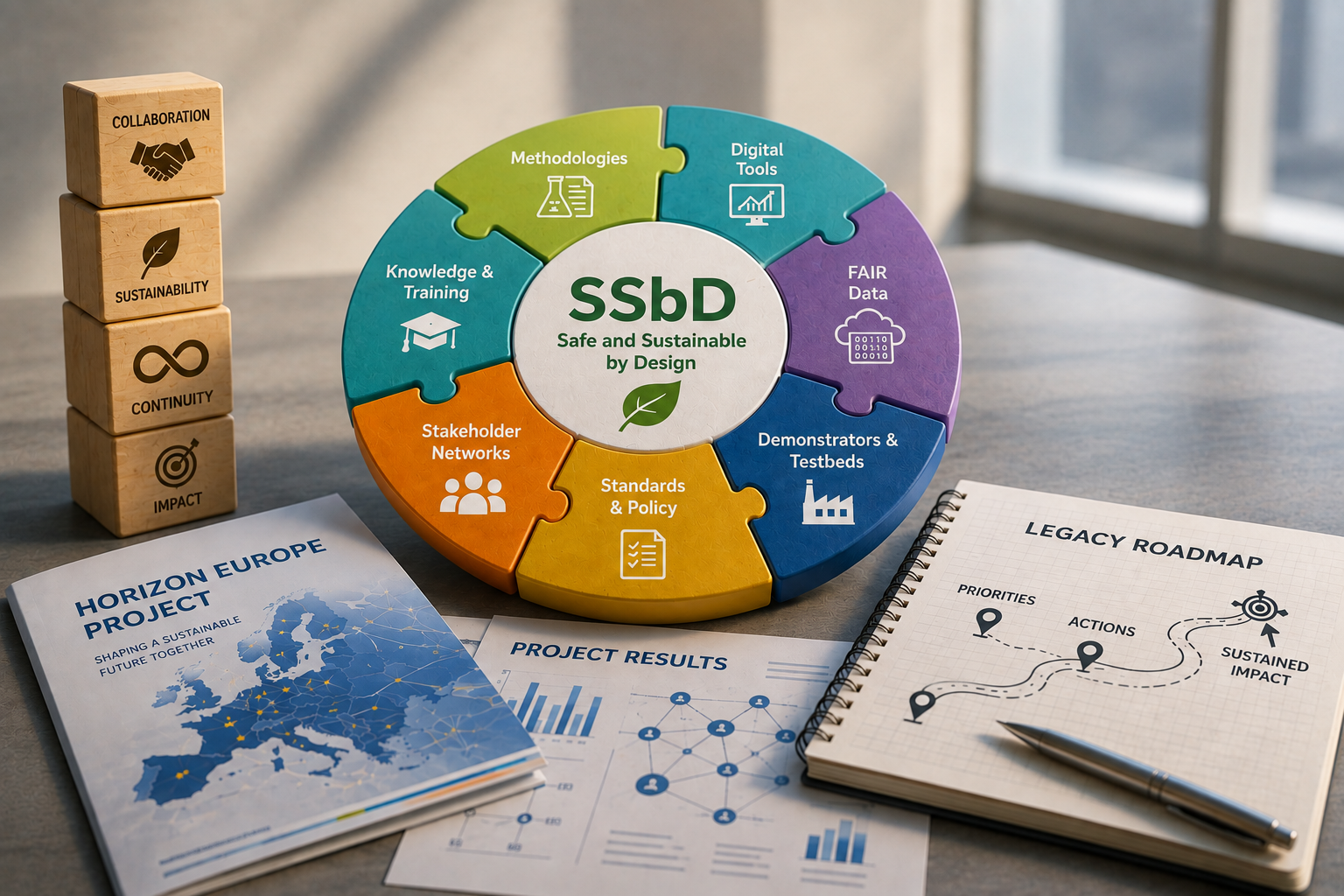
In close collaboration with PINK partners, UPCI ensures that all models and data comply with FAIR principles, promoting transparency, reproducibility, and explainability. These efforts directly support innovators, regulators, and industry stakeholders in designing safer and more sustainable solutions.
PINK offers UPCI a unique collaborative environment where advanced computational tools are applied alongside the needs of industrial and academic partners. This synergy extends UPCI’s methods beyond academia, addressing industrial challenges.
“With PINK, we bring advanced computational science into practice, shaping a safer and more sustainable future for chemicals and advanced materials.”
– Prof. Haralambos Sarimveis
Jaqpot: An SSbD Innovation Platform
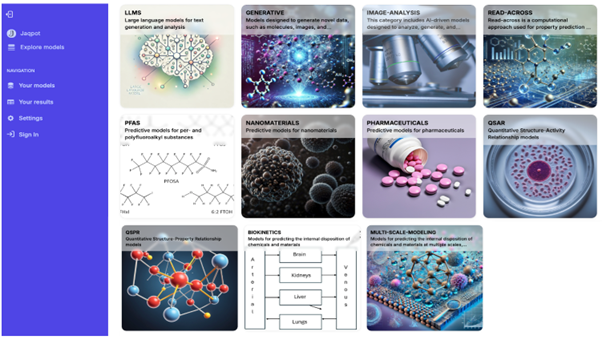
Over many years, UPCI has developed an in-house cloud platform called Jaqpot (accessible for free) for deploying, sharing, and documenting predictive models.
- Lifecycle management: training, validation, deployment, and live prediction.
- Developer tools: Python SDK (jaqpotpy) and full Swagger/OpenAPI docs.
- Flexible access: private, consortium-only, or public model sharing.
- Extensive documentation: guides, examples, and reproducible workflows.
For PINK, Jaqpot provides a secure environment to develop and share SSbD models, protecting industrial and academic IP while enabling collaboration and re-use.